Beach Guide · Safety
Broadbeach Beach Safety Guide
Patrolled hours, flag meanings, rip currents, and marine hazards - everything you need to swim safely.
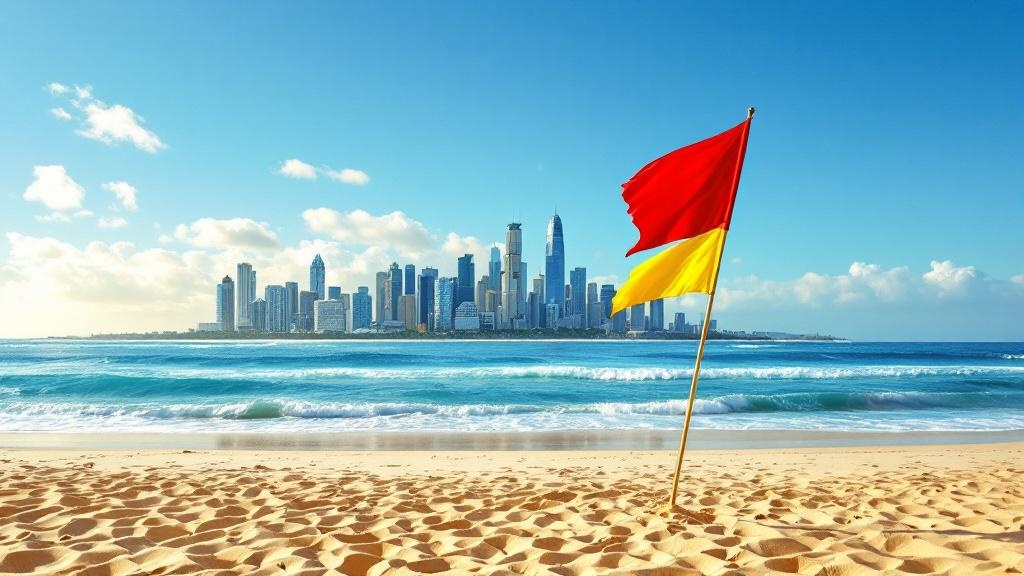
Broadbeach Beach (also known as Kurrawa Beach) is one of the Gold Coast’s most popular swimming beaches. It’s patrolled daily by professional lifeguards and volunteer surf lifesavers, with clearly marked safe swimming zones between the red and yellow flags.
That said, the Gold Coast is an open ocean beach with real surf - rip currents, changing conditions, and seasonal hazards are part of the environment. Every year, tourists underestimate the ocean here. Understanding the basics of beach safety is the difference between a brilliant day and a dangerous situation.
This guide covers everything you need to know to enjoy Broadbeach Beach safely - whether you’re a confident swimmer or just paddling with the kids.
Essential Beach Safety
- ALWAYS swim between the red and yellow flags - this is the lifeguard-patrolled zone
- Patrolled hours: typically 6am-6pm daily (extended in summer school holidays)
- Rip currents are the #1 danger - if caught, float and wave for help, don’t fight it
- Bluebottles (jellyfish) are seasonal - most common November-March with northeast winds
- Emergency: call 000 or signal the lifeguards
| Flag | Meaning | Action |
|---|---|---|
| 🔴🟡 Red & Yellow (pair) | Patrolled swimming zone | Swim between these flags ONLY |
| 🔴 Red flag | Dangerous conditions - beach closed | Do NOT enter the water |
| 🟡 Yellow flag | Caution - potential hazards | Swim with extra care, stay shallow |
| ⚫🟡 Black & White quartered | Surfcraft area (boards, kayaks) | No swimming in this area |
| 🔵 Blue flag (rare) | Bluebottles/marine stingers present | Swim with caution, wear a rashie |
Where to Swim at Broadbeach
Broadbeach has two main patrolled swimming areas:
Kurrawa Beach (main): The primary patrolled beach directly in front of Kurrawa Park. This is the busiest and most popular section, with lifeguards stationed here during all patrolled hours. The red and yellow flags mark the safe swimming zone, which is repositioned daily based on conditions.
Pratten Park beach: A slightly quieter section of beach to the south, near Pratten Park. Also patrolled during peak times, though lifeguard presence may be reduced during quieter periods.
The swim zone between the flags is selected by the lifeguards based on current conditions - it’s positioned where the water is safest, avoiding rip currents and deep channels. This position changes daily, sometimes several times a day.
Understanding Rip Currents
Rip currents are the single biggest danger at Broadbeach Beach - and at any Gold Coast beach. A rip current is a strong, narrow channel of water flowing away from shore. They can pull even strong swimmers out to sea within seconds.
How to spot a rip:
• Darker, deeper-looking water between lighter breaking waves
• A calm, flat channel in otherwise choppy surf
• Discoloured or murky water flowing seaward
• Foam or debris moving steadily out to sea
If you’re caught in a rip:
1. Don’t panic. Rips won’t pull you under - they pull you out.
2. Don’t fight it. Swimming against a rip exhausts you. It’s stronger than you.
3. Float and raise your arm to signal lifeguards
4. Swim parallel to shore until you’re out of the rip, then swim back to the beach at an angle
5. If you can’t escape, float and wait - rips typically dissipate 50-100 metres offshore
Key rule: Swimming between the flags avoids rips entirely. The lifeguards have already identified them and placed the flags accordingly.
Surf Conditions and When to Swim
Broadbeach Beach faces east, receiving the full force of the Pacific Ocean swell. Conditions vary significantly:
Calm days (0-0.5m swell): Gentle, almost pool-like conditions. Safe for all swimmers including young children. These conditions are most common in autumn and winter.
Moderate days (0.5-1.5m swell): Typical Gold Coast conditions. Fine for confident swimmers within the flags. Small dumping waves can knock children over - stay in knee-deep water with little kids.
Big days (1.5m+ swell): Strong currents, powerful waves, increased rip activity. Only experienced ocean swimmers should enter the water, and only between the flags. The beach may be closed (red flag) on large swell days.
Best time to swim: Early morning (6-9am) typically has the calmest conditions, lightest winds, and fewest people. The afternoon sea breeze (picking up from 11am-12pm) can make conditions choppier.
Check beachsafe.org.au for current surf conditions and patrol times before heading to the beach.
Marine Hazards
Bluebottles (Portuguese Man o’ War): The most common marine hazard at Broadbeach. Bluebottles are small jellyfish-like creatures with blue tentacles that deliver a painful sting. They’re most common between November and March, especially after northeast winds push them ashore.
If stung: rinse with hot water (not vinegar - that’s for tropical box jellyfish only), remove tentacles with tweezers, and apply ice. Seek medical attention if the sting is severe or you have an allergic reaction.
Lifeguards will fly a blue flag or display signage when bluebottles are present. Wearing a rashie provides good protection.
Sharks: Shark encounters at Gold Coast beaches are extremely rare. The Gold Coast has a shark control program with drumlines and nets. Avoid swimming at dawn/dusk, near river mouths, or in murky water after heavy rain.
Stingrays: Occasionally present in shallow water. Shuffle your feet when walking in - this alerts them to your presence and they’ll swim away. Stings are rare but painful.
Beach Rules and Tips
This is the single most important beach safety rule in Australia. The flagged area is positioned by trained lifeguards in the safest section of beach, away from rips and hazards. Swimming outside the flags is the leading cause of drowning on Australian beaches.
Children should be within arm’s reach in the water. Even in knee-deep water, a wave can knock a small child over. The shore break at Broadbeach can be surprisingly powerful.
Gold Coast UV regularly exceeds 10 (very high) between September and April. Apply SPF 50+ before you leave your accommodation, reapply every 2 hours, and wear a hat and rashie. Sunburn can happen in as little as 15 minutes on high UV days.
Alcohol is prohibited on Gold Coast beaches. This is enforced, particularly during busy periods and events. Fines apply.
In any water emergency, call 000 and ask for ambulance. Signal lifeguards by raising one arm above your head. Lifeguards also have emergency phones on the beach.
Frequently Asked Questions
Yes, when you swim between the red and yellow flags during patrolled hours (typically 6am-6pm daily). Broadbeach Beach is patrolled by professional lifeguards and volunteer surf lifesavers. The flagged swimming zone is positioned to avoid rip currents and hazards.
Broadbeach Beach is typically patrolled from 6am to 6pm daily, with extended hours during summer school holidays. Check beachsafe.org.au for current patrol times and conditions before heading to the beach.
Yes - rip currents are present at all Gold Coast ocean beaches, including Broadbeach. The lifeguards position the swimming flags to avoid rips. If caught in a rip, don’t fight it - float, raise your arm to signal for help, and swim parallel to shore when you can.
Bluebottles are seasonal at Broadbeach, most common between November and March, especially after northeast winds. Lifeguards will display warnings when bluebottles are present. Wearing a rashie provides good protection. If stung, rinse with hot water and remove tentacles.
Shark encounters at Broadbeach are extremely rare. The Gold Coast has a shark control program with drumlines and nets. To minimise risk, swim between the flags during patrolled hours and avoid swimming at dawn, dusk, near river mouths, or in murky water after heavy rain.
Plan Your Beach Day
Stay safe and make the most of Broadbeach’s beautiful coastline.
Written and maintained by a Broadbeach local. I update this guide regularly to keep it accurate.